


The term "Two Parks, One River" refers to Shougang Park, the Beijing Garden Expo Park and the Yongding River. In the area defined by these three components, natural scenery, history, industrial heritage and emerging technology weave into a delightful urban escape. During the 2026 Cultural Festival of Western Hill and Yongding River Beijing, the Beijing Municipal Bureau of Culture and Tourism rolled out 10 themed tour routes that highlight nature, history, technology and folk traditions.
Route 1: Panorama of Garden Expo Park • A Picturesque Scroll of Nature and Countryside
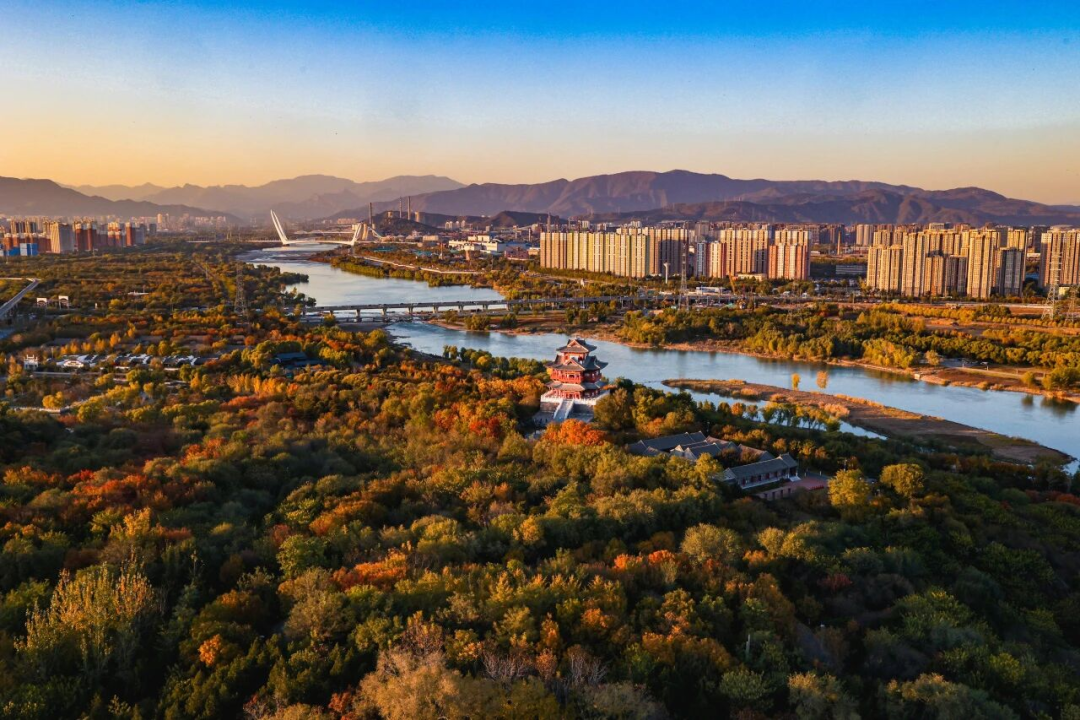
Beijing Garden Expo Park
[Photo via Beijing Fengtai]
Stops: Beijing Garden Expo Park→Museum of Chinese Gardens and Landscape Architecture→Yongding River Leisure Forest Park
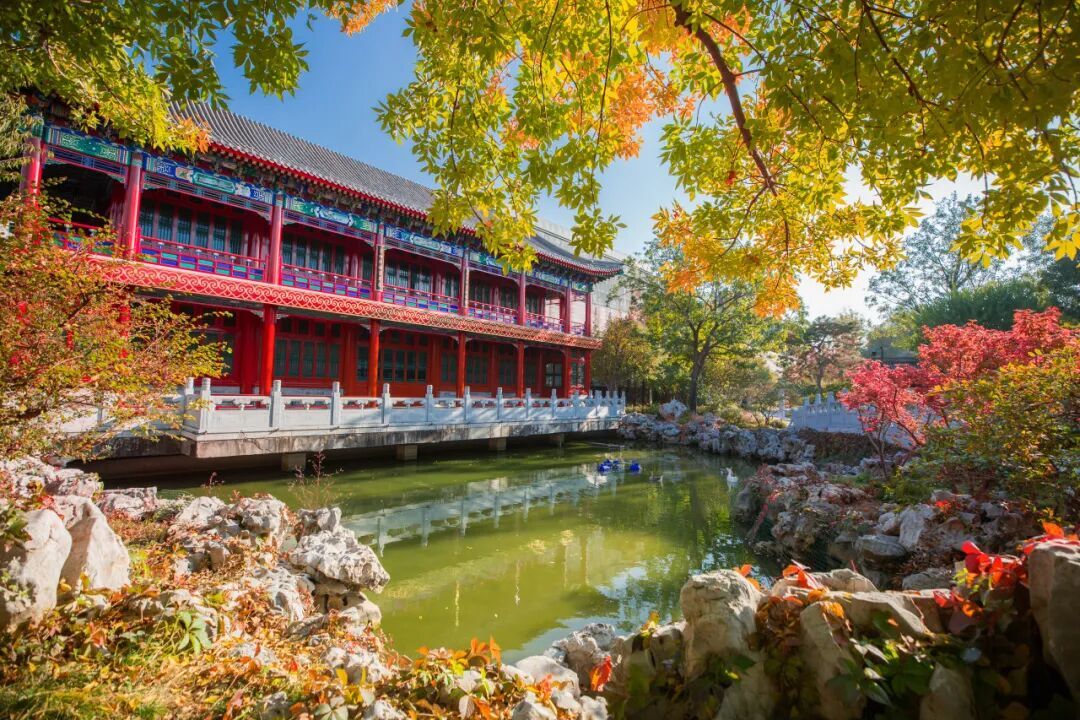
[Photo via the official WeChat account of the Museum of Chinese Gardens and Landscape Architecture]
Highlights: Begin your trip at the Beijing Garden Expo Park, where gardens are scattered from south to north. The park sits beside the Yongding River, home to the broad Yuanbo Lake and the lofty Yongding Pagoda. A hike up the pagoda ensures sweeping views of the entire park and rolling hills beyond. Each garden here carries its own charm unique to a place. Inside the park lies the Museum of Chinese Gardens and Landscape Architecture, where you can learn about traditional landscape design and garden culture. The riverside trail of Yongding River Leisure Forest Park is wide and smooth. The "Yongsen" (永森号) sightseeing train offers you a ride through thick woods, blooming flower fields and wetlands.
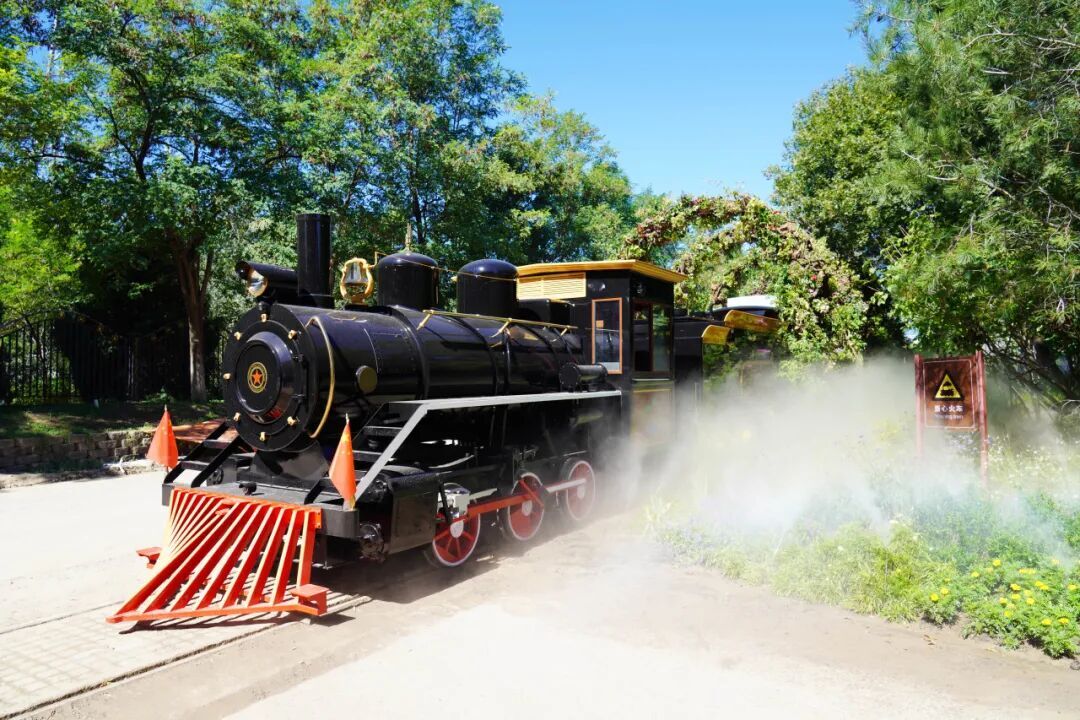
A sightseeing train of Yongding River Leisure Forest Park
[Photo via the Converged Media Center of Shijingshan]
Recommended experiences: Stop at One Step Garden (Beijing Garden Expo Park Branch) (一尺花园(北京园博园店)); wander along the riverbank of Yongding River Leisure Forest Park; take the "Yongsen" sightseeing train
Route 2: Water-and-Land Tour · Connecting the Two Parks
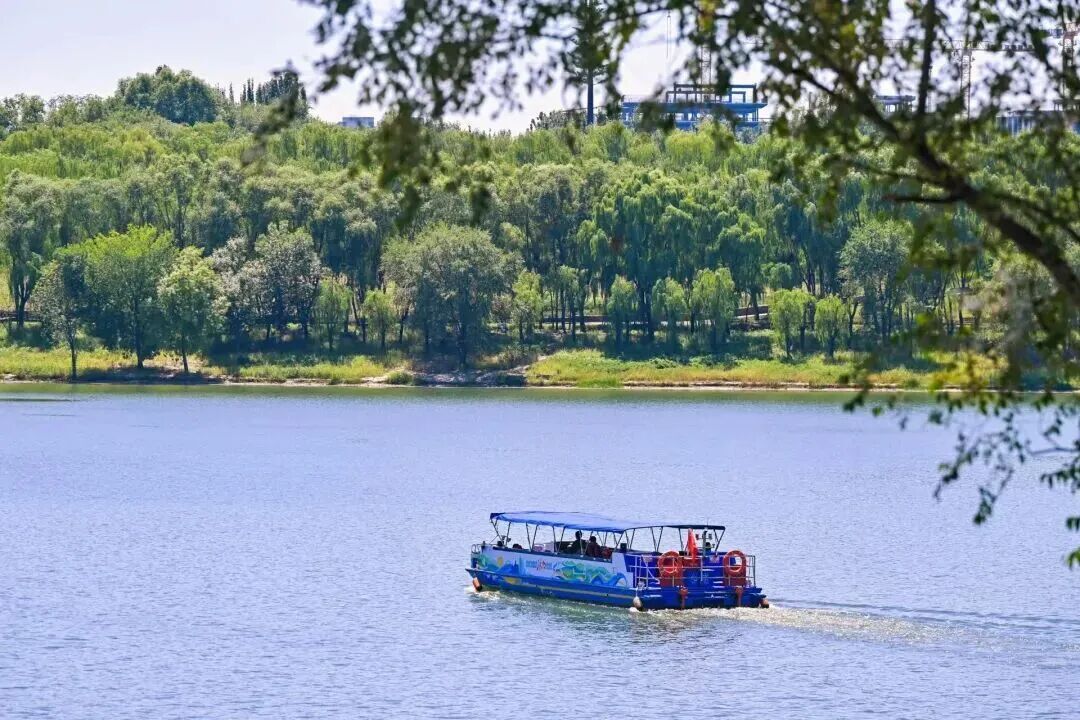
Yongding River
[Photo via Beijing Fengtai]
Stops: Beijing Garden Expo Park (Jishi Wharf / 吉石码头)→Yongding River Leisure Forest Park (Yongsen Wharf / 永森码头)→Beijing Winter Olympic Park
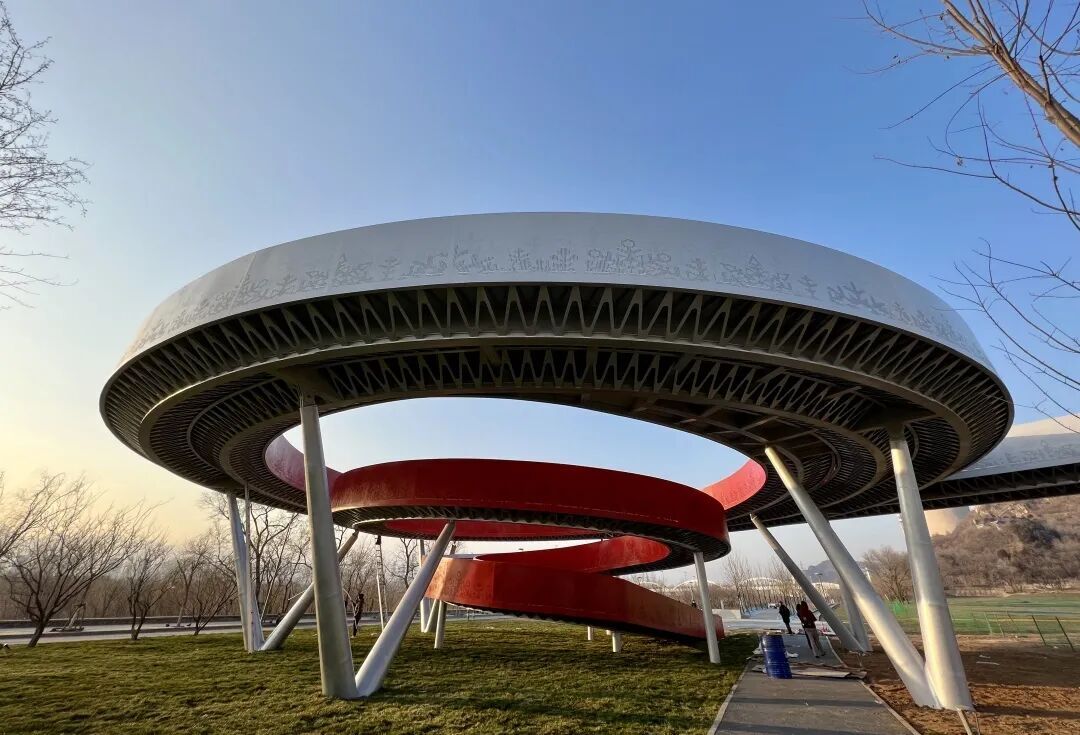
Beijing Winter Olympic Park
[Photo via Beijing Shijingshan]
Highlights: Hop on a boat at Jishi Wharf in the Beijing Garden Expo Park. The boat ride along the Yongding River takes about 6 minutes one way to Yongsen Wharf on the other side, letting you see the riverside scenery from a different angle. After getting off, you can take a connecting ride to the Beijing Winter Olympic Park. Its 42-kilometer riverside greenway links sights such as the Big Air Shougang and the New Shougang Bridge, great for walking or cycling.
Recommended experiences: Take the "Two Parks, One River" water shuttle and sightseeing bus (operation details available via the WeChat account "Two Parks, One River" / 两园一河); walk or cycle along the riverside greenway in the Beijing Winter Olympic Park; view the exterior of the Big Air Shougang
Route 3: Steel Bones and New Horizons · An Industrial Sci-Fi Spot
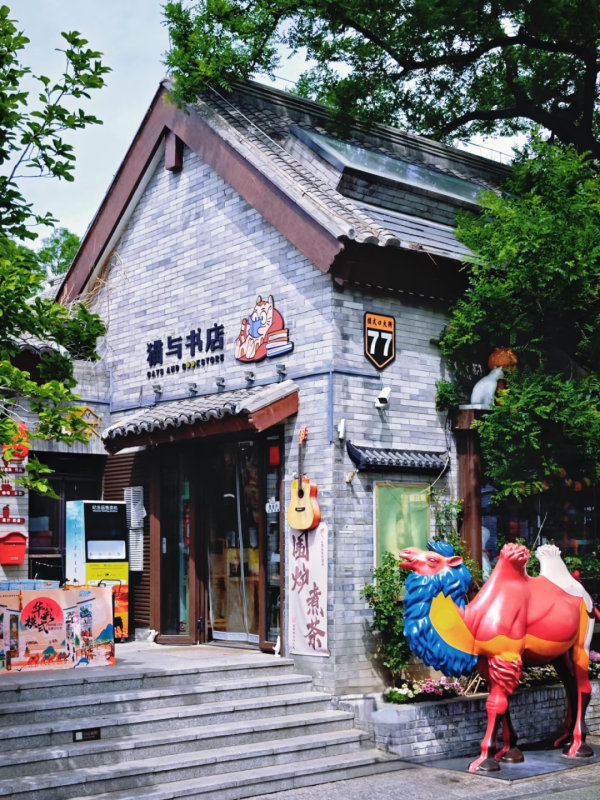
A bookstore in Moshikou
[Photo via Shijingshan Wenlv]
Stops: Moshikou Historical and Cultural Block→Xin'an Urban Memory Park→Shougang Park (High Line Park, Blast Furnace No.1, Blast Furnace No.3)
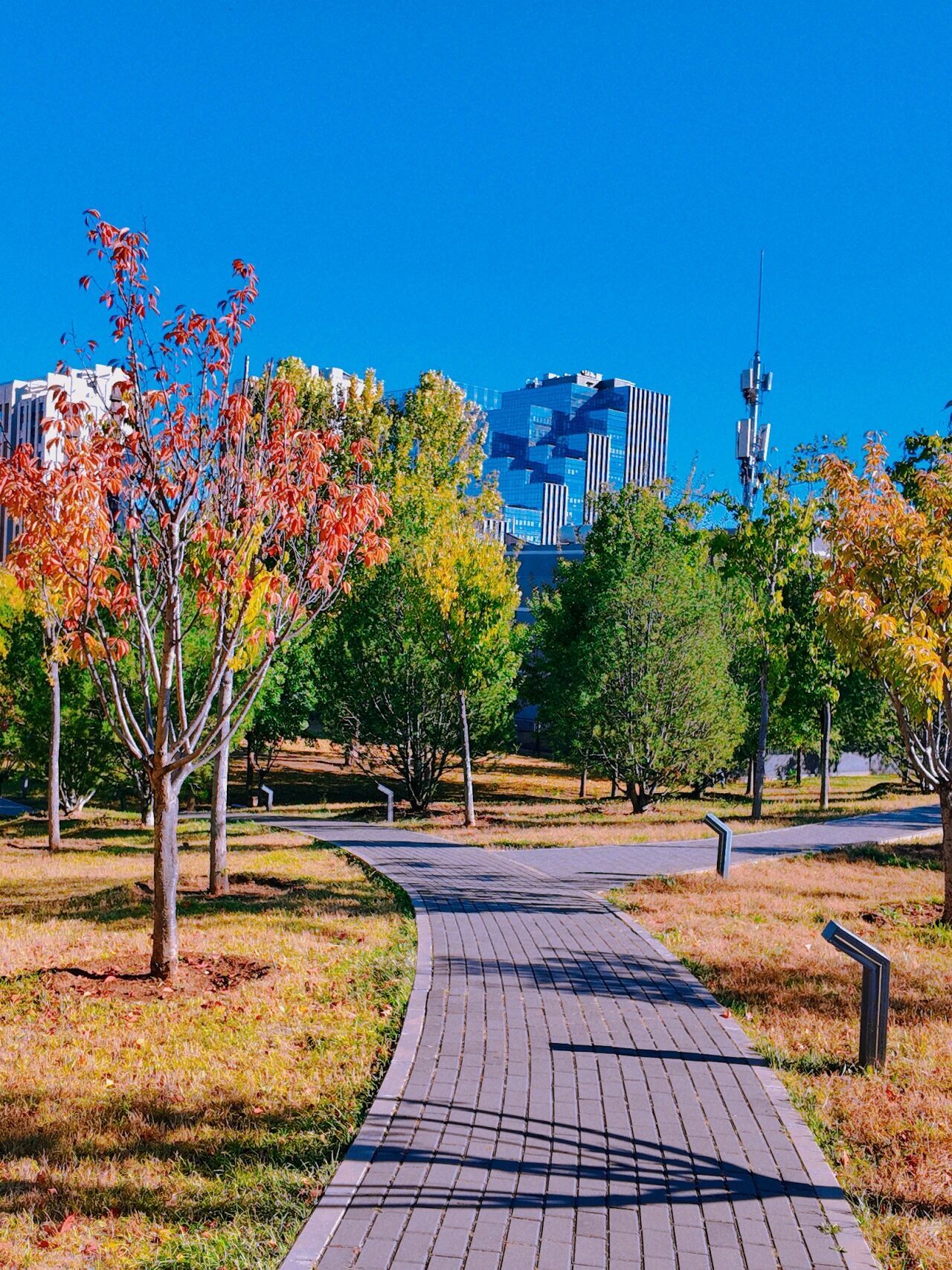
Xin'an Urban Memory Park
[Photo via the Converged Media Center of Shijingshan]
Highlights: The old street of Moshikou still retains its historic charm, lined with trendy creative shops and cafés. Xin'an Urban Memory Park holds onto the stories of the old Beixin'an community. At Shougang Park, the elevated path of High Line Park winds past industrial pipelines and green plants. Blast Furnace No.1 and Blast Furnace No.3 show the weight of the local industrial history, offering great choices to feel the charm of industrial heritage.
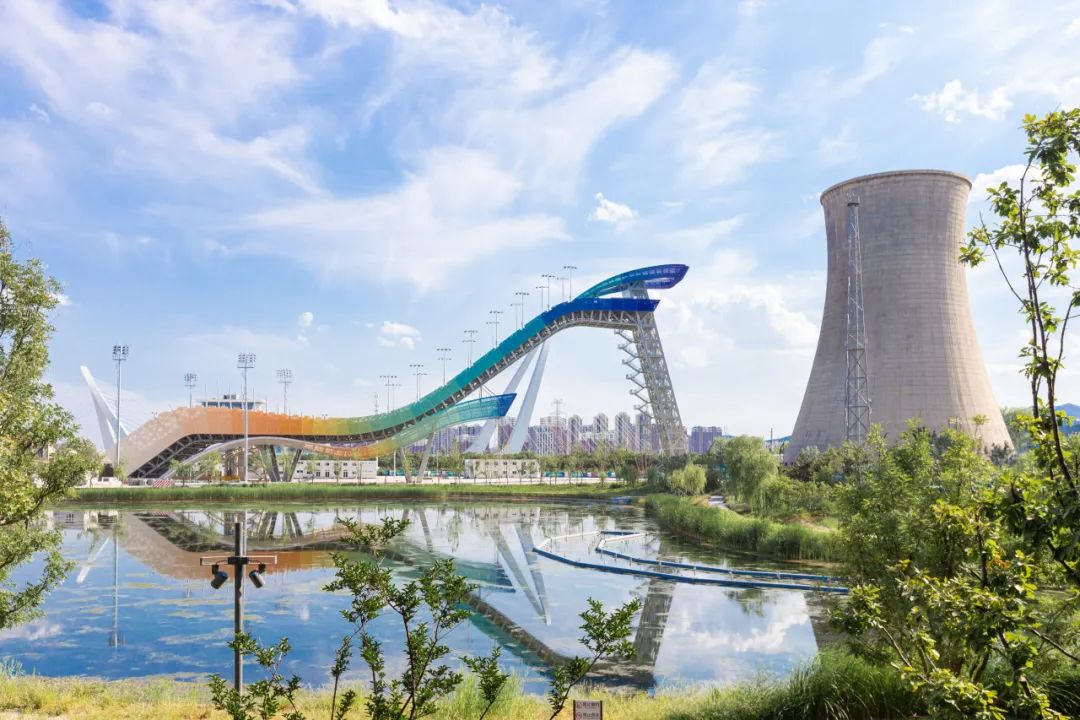
Shougang Park
[Photo via Shijingshan Wenlv]
Recommended experiences: Stop by the "Gudao Sicun" (古道斯存) courtyard café and creative space in Moshikou; explore SoReal Sci-Fi Park at Blast Furnace No.1 of Shougang Park; visit RE Museum (Shijingshan Shougang Park Branch), the digital museum at Blast Furnace No.3.
Route 4: Quiet Temples in the Hills · A Hiker's View of the Western Hill
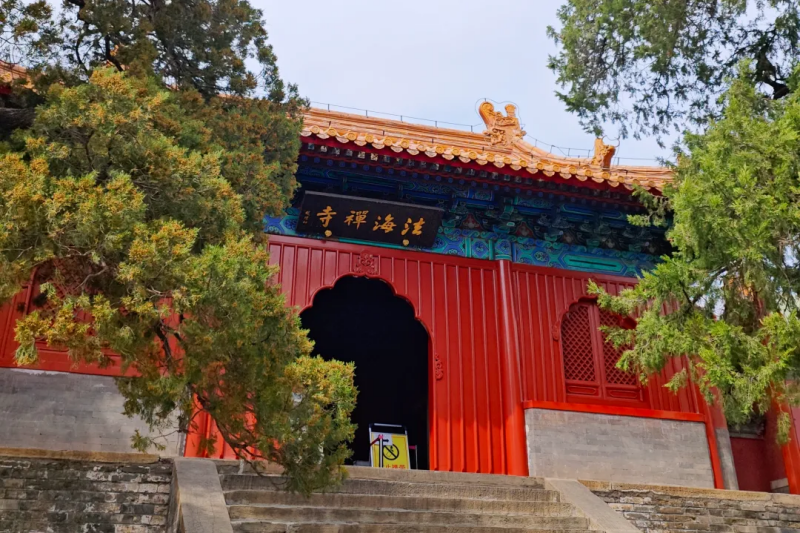
Fahai Temple
[Photo via Shijingshan Wenlv]
Stops: Yongding River Park (Yongding River's Viewing Platform)→Fahai Temple→Badachu Park
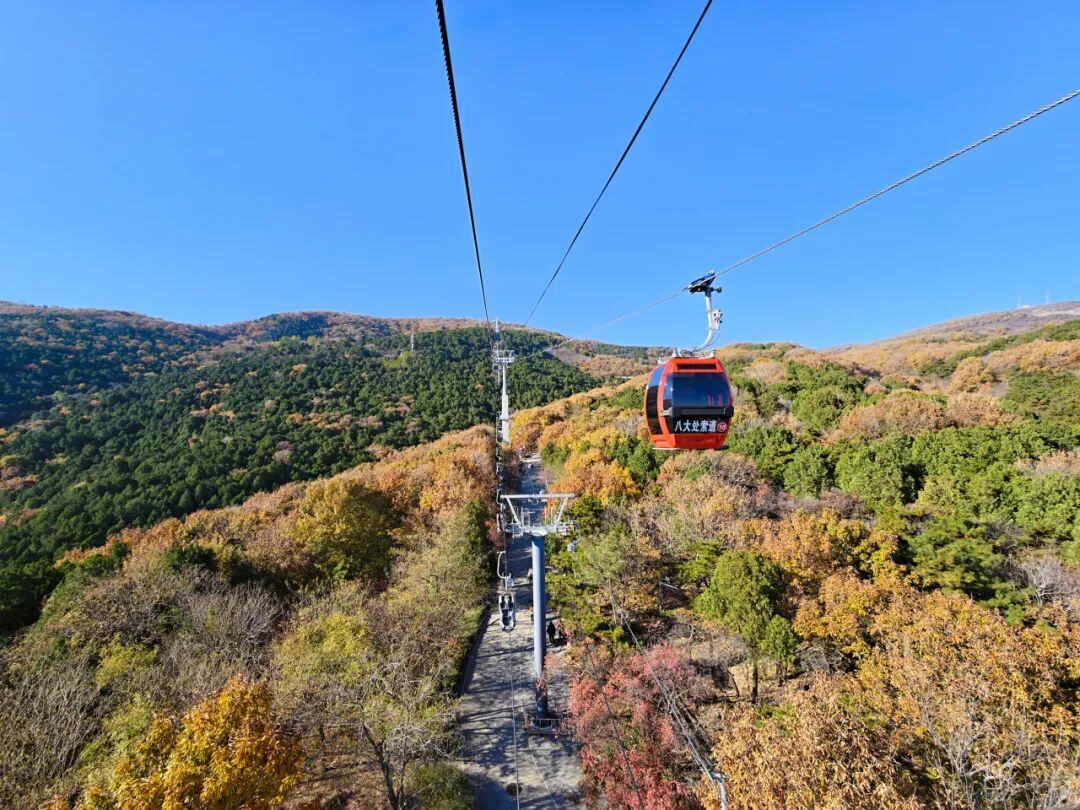
Badachu Park
[Photo via Shijingshan Wenlv]
Highlights: Hike up to the Yongding River Viewing Platform, and you can look out over Mencheng Lake and the peaks of the Western Hills. The original Ming-Dynasty murals inside Fahai Temple still shine with rich gold hues after nearly 600 years. You can also view the murals digitally at the art gallery. Eight old temples dot the slopes of Badachu Park. The Buddha Tooth Relic Pagoda (佛牙舍利塔) at Lingguang Temple (灵光寺, Site 2 of Badachu) is a highlight. Sanshan Convent (三山庵, Site 3 of Badachu) is where many start their hike, and Longquan Convent (龙泉庵, Site 5 of Badachu) offers a place to rest and drink water. If you have enough energy, keep going to Baozhu Cave (宝珠洞, Site 7 of Badachu) for wide views of Beijing. On your way down, try the speed-adjustable slide.
Recommended experiences: Visit Fahai Temple Mural Art Gallery; drop by Jingxi Bookstore (京西书局); take the Fust Cable Slide at Badachu Park.
Route 5: Moon over Lugou · Stories of Wanping Old Town
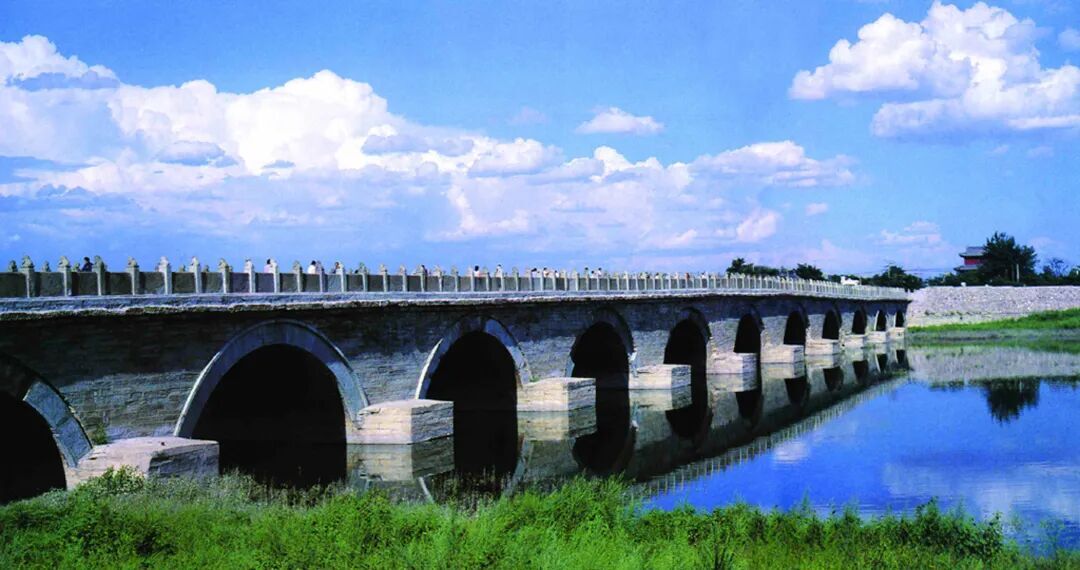
Lugou Bridge
[Photo via Wenlv Fengtai]
Stops: Diaoyu Lake Park→Lugou Bridge Cultural Tourism Zone→Wanping Old Town→Museum of the War of Chinese People's Resistance Against Japanese Aggression
Highlights: Xiaoyue Lake stretches out calm and wide, with Lugou Bridge lying across its surface. There are 501 stone lions on the bridge piers, each with a unique look. Cross the bridge into Wanping Old Town, where the old walls still carry traces of the past, standing alongside renovated courtyards. It is a nice place to wander at will. Finish your trip at the museum to learn about a turbulent chapter of history.
Recommended experiences: Stop by Peace Bookstore (Chengnei Street Branch) (和平書店(城内街店)); take a break at Liusheng Coffee (Wanping Old Town Branch) (留声咖啡(宛平城店)); browse souvenirs at Lugou Bridge Gift Shop (卢沟桥礼物).
(Source: Official WeChat account of the Beijing Municipal Bureau of Culture and Tourism)